Category: Disease

Cancer — description of the disease

Cancer (this article is in RussianРак) is a malignant tumor of epithelial cells of the skin, mucous membranes of the stomach, intestines, respiratory tract, various glands, etc. In connection with the morphological features distinguish the various forms of cancer: squamous cell carcinoma (develops primarily on the skin and mucous membranes covered with squamous epithelium), adenocarcinoma, Scherr and others.

Cancer - image

Cancer (Latin cancer, carcinoma, from the Greek karkinos — cancer, crab) — a malignant tumor from the epithelium, that is, from the tissue that covers the animal organism from the outside and lining it from the inside, as well as its forming glands. Therefore, cancer is a malignant tumor (tumor, blastoma) of the skin, digestive tract, respiratory and urinary tract, lungs, kidneys, liver, genitals and glands. The name given by the doctors of the middle ages, is associated with the appearance of a tumor resembling cancer or crab. Cancer accounts for the vast majority of all malignant human tumors, including many sarcomas, hematological malignancies, glial tissue, bone, and other tumors. In some countries, cancer is understood as any cancer.– Далее –
Search something else interesting:

Ophthalmia – a description of the disease

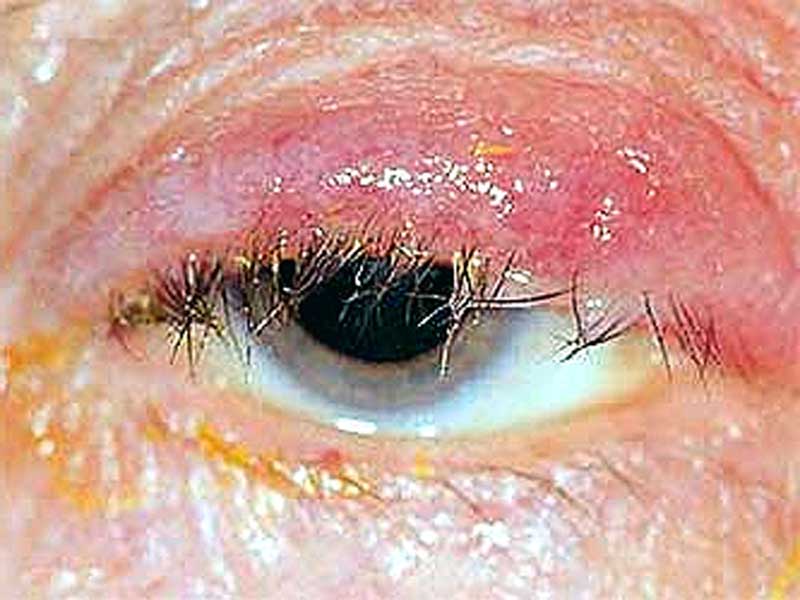
Ophthalmia (the word comes from the Greek bl?nnos – mucus and rh?? – current, hereinafter – “O.”) – an acute purulent inflammation of the mucous membrane (conjunctiva), eye, caused by gonococcus.

Ophthalmia

There are 2 forms of ophthalmia: newborns and adults. Infection in most cases, neonatal ophthalmia occurs during the passage of the fetal head through the birth canal of the mother with gonorrhea. O. appears on 2 – 3rd day of life and is characterized by a very strong first edema of both eyelids after 2 – 3 days begins copious pus. In severe cases, the process may be involved in the cornea, formed ulcer healing scar and leave a thorn. In some cases, the disease leads to blindness.– Далее –

Anemia – a description of the disease

Anemia (derived from the Greek an – negative particle and h?ima – blood, hereinafter – “A.”) – is anemia, a group of disease[ru] characterized by reduced hemoglobin content in red blood cells (dye blood carries oxygen), the number of red blood cells per unit volume human blood given gender and age, and the total weight of blood in the human body. A number of causes painful changes due to impaired supply of oxygen. The intensity of these symptoms depends on the degree of anemia and on the speed of its development.

Anemia

The most important general symptoms of anemia – fatigue, pale skin, shortness of breath, dizziness, tendency to faint. A. caused by three main factors: blood loss, impaired hematopoiesis, and increased kroverazrushenie.

A. associated with acute blood loss develops with wounds, gastrointestinal, pulmonary, nasal, uterine, less renal hemorrhage. A. At this suddenly appear sharp pallor, dizziness, tinnitus, thirst. It will not be life-threatening conditions, one should immediately stop bleeding that often requires surgical intervention, use styptics, blood transfusions.– Далее –

Disease – description level of health

Disease (болезнь) – a process that occurs as a result of effects on the malicious (emergency) stimulus external or internal environment, characterized by reduced adaptability of the living organism to the environment with simultaneous mobilization of its defenses. The disease manifests itself disequilibrium with the environment, are expressed in the occurrence of side (inadequate) reactions and a man – a decline to the illness of his disability.

Disease

The development of a common understanding of disease changed over the history of medicine. The ancient Greek physician and reformer of ancient medicine Hippocrates cause of the disease is considered misuse of mixing four basic body fluids: blood, phlegm, yellow and black bile (venous blood). Around the same time, based on the atomistic theory of ancient Greek materialist philosopher Democritus, the idea arose that the disease develops as a result of changes in the shape of atoms and their incorrect arrangement. At the end of the old and the beginning of a new era, and especially in the Middle Ages, idealistic views on the doctrine of the disease, according to which the soul or a special kind of life force (“Archean”), defines the struggle of the body to changes caused by boleznfmi.– Далее –